
Loading...
Serving Hemet, CA and surrounding areas. (951) 439-3325
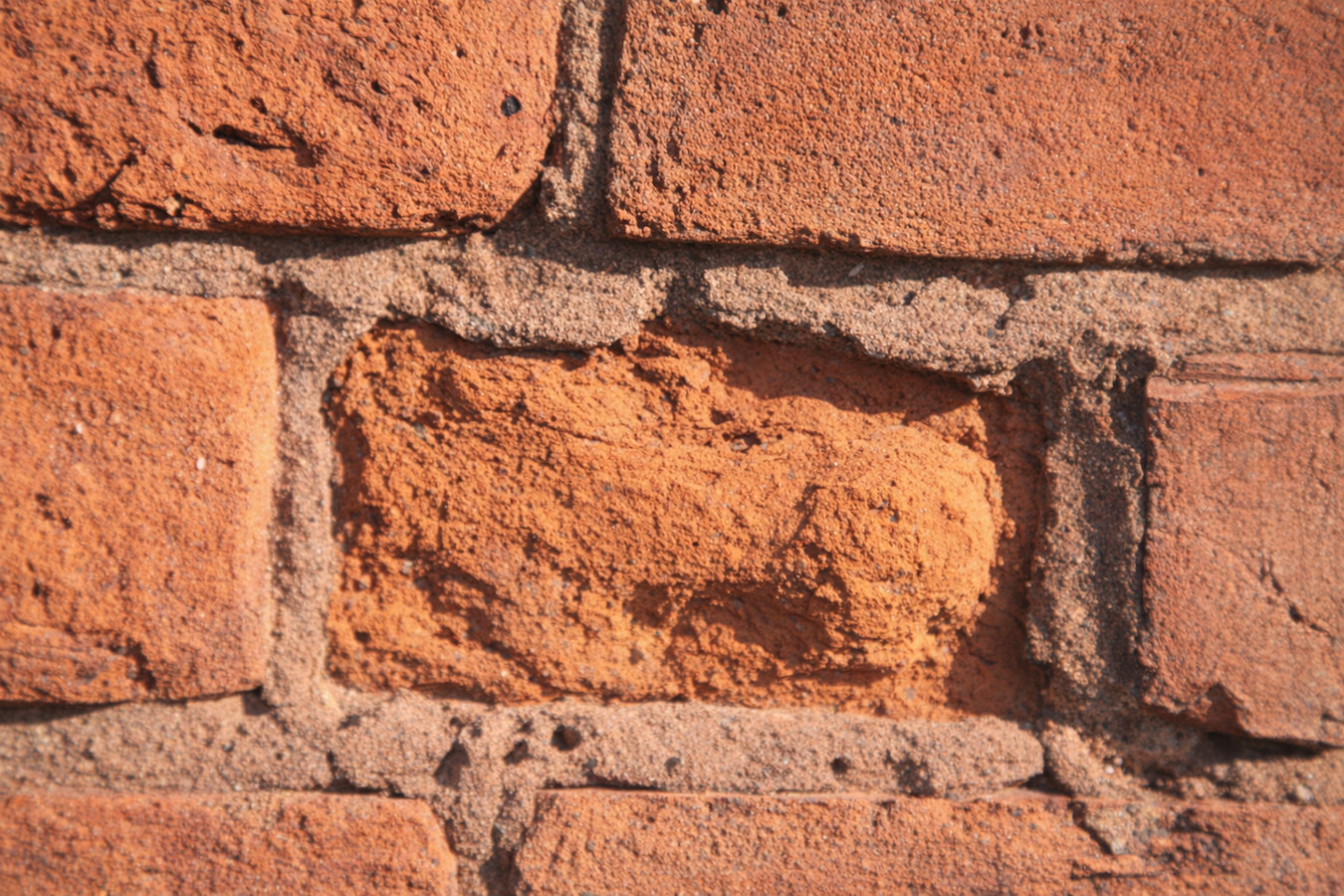
Crumbling mortar joints let water in. In Hemet, winter freeze nights turn small cracks into bigger problems fast. We repoint chimneys, walls, and planters using the right mortar mix for your bricks before the damage compounds.
Brick pointing in Hemet means grinding out the old, deteriorated mortar between your bricks to a depth of about three-quarters of an inch, then packing in fresh mortar and shaping each joint to shed water - most chimneys and small walls are done in a single day, while a full exterior wall on a two-story home can take two to four days.
The mortar joints between your bricks are your wall's first line of defense against water. When they fail, moisture works its way behind the bricks and can damage the structure underneath - sometimes causing problems that cost far more to fix than the pointing job itself. In Hemet, the intense summer heat expands and contracts mortar joints repeatedly until they wear down, and the occasional winter freeze turns any open crack into a wider one overnight.
Brick pointing and broader masonry repairs often go together. If a wall has crumbling joints and loose or spalled bricks, foundation repair or structural assessment may be needed alongside the pointing work. We assess the full condition of the wall before starting so you have a complete picture of what needs to happen.
Stand a few feet back from your chimney, garden wall, or brick planter and look at the lines between the bricks. If you see gaps, missing chunks, or mortar that looks sandy and loose, the joints need attention. You should not be able to scratch mortar out with your fingernail - if you can, it has already lost its strength.
A chalky white residue on the face of your bricks - called efflorescence - is a sign that water is moving through the wall and carrying mineral salts to the surface. In Hemet's dry climate this can happen when irrigation water or occasional rain events push moisture through compromised joints. It is not just cosmetic: it tells you water is getting in somewhere it should not.
After Hemet's long, intense summers, it is worth taking a close look at your chimney joints in the fall. The repeated heating and cooling of a chimney - combined with the valley's extreme temperatures - tends to show up as hairline cracks or shrinking joints that were fine the previous year. Catching this before winter freeze nights arrive is the right time to act.
The San Jacinto Fault runs close to Hemet, and even a minor shake can open up mortar joints that were already weakened. If you felt a small earthquake and then noticed new cracks in a brick wall or chimney, do not wait to have it looked at. Cracks that start small tend to grow, especially once water gets in.
We repoint chimneys, garden walls, brick planters, exterior walls, and decorative brick features throughout Hemet and the surrounding San Jacinto Valley. The most important decision in any pointing job is the mortar mix. Many homes in Hemet were built in the 1950s through 1980s, and the original mortar from that era was often softer and lime-based. Using a modern hard cement mix on older, softer bricks will cause the bricks themselves to crack over time as the wall expands and contracts. We match the mortar mix to your specific wall - this is not a minor detail, it is the difference between a repair that protects your home and one that quietly damages it. The Brick Industry Association is clear on this point: mismatched mortar hardness is one of the most common causes of premature brick failure.
Beyond the mortar mix, we account for Hemet's climate on every job. In dry desert conditions, fresh mortar can dry out too fast and become brittle. We schedule work during cooler parts of the day in summer, and may mist fresh joints for the first day or two to help them cure evenly - a step that is easy to skip but makes a measurable difference in how long the work holds. If your project involves both pointing and broader repairs to cracked or damaged brick, our masonry restoration service covers the full scope in a single visit.
Suits homeowners with chimneys that have not been serviced in years or show visible joint deterioration after hot summers and occasional freeze nights.
Suits homeowners with decorative brick walls or raised planters where crumbling joints are letting water in or making the structure look worn.
Suits homeowners with brick facades or walls where joints have worn down, cracked, or opened up and water is beginning to find its way inside.
Suits homeowners who have felt recent tremors near the San Jacinto Fault and want a professional assessment of any new joint damage before it worsens.
Hemet sits in the San Jacinto Valley and regularly sees summer temperatures above 105 degrees. That sustained heat causes mortar to expand and contract repeatedly, which breaks down joints faster than in cooler coastal climates. South- and west-facing walls take the full force of the afternoon sun and typically show wear sooner. On top of that, Hemet's inland desert climate means humidity is often very low - fresh mortar needs moisture to cure properly, and in very dry conditions it can dry out too fast and become brittle before it bonds correctly. Homeowners in San Jacinto just to the east face the same combination of heat and low humidity on every exterior masonry project.
Hemet also gets occasional winter nights below freezing - temperatures can drop below 32 degrees from December through February. Water that has seeped into a cracked mortar joint can freeze overnight, expand, and push the crack wider. This makes fall the ideal window for pointing work in Hemet: the brutal summer heat has passed, mortar cures at a steadier pace, and you get ahead of the freeze cycle before it turns a small repair into a larger one. Homeowners in Banning at higher elevation face even more pronounced freeze-thaw cycles and have the same reason to act before cold weather sets in. The U.S. Geological Survey documents the San Jacinto Fault as one of the more active systems in Southern California - a reminder that any existing joint weakness can be accelerated by ground movement at any time of year.
We will ask a few basic questions about the structure, roughly how large the area is, and whether you have noticed specific damage. We schedule an in-person visit before giving any numbers, and we reply within one business day.
We walk around the structure, examine joints up close, and check the condition of the bricks themselves. We assess how accessible the wall is and whether scaffolding will be needed. You receive a written estimate spelling out exactly what will be done and what it costs - no pressure to sign on the spot.
The crew grinds or chisels out the old mortar - the noisy part - then carefully packs in fresh mortar and shapes each joint to match the original profile. You can stay home during the work. Most of the activity is outside.
Once pointing is done we clean up mortar dust and walk you through the finished work. Keep sprinklers and hoses away from the repaired area for at least 48 hours. In Hemet's dry summer heat, we may recommend lightly misting the joints for the first day or two to help them cure evenly.
Free estimate, no obligation. We reply within one business day.
(951) 439-3325Many homes in Hemet were built with older, softer bricks that crack if a contractor uses too-hard modern mortar. We assess the brickwork before selecting a mix - so the repair protects your home instead of quietly harming it over the next five years.
We know fall is the optimal window in this valley - past the brutal summer heat, ahead of the freeze nights. We help you schedule at the right time, and we adjust our process on the day of work if conditions require it, including early morning starts and misting fresh joints in dry weather.
Living near the San Jacinto Fault means your masonry takes stresses that homes in other parts of California do not. We inspect for seismic-related joint damage as a standard part of every assessment - not an afterthought - so you know the full condition of your wall before we start.
Before we start, we walk you through what we found and what needs to happen. When we are done, we walk you through the finished work. You will never be handed a bill for something you did not understand or agree to. The California Contractors State License Board requires all masonry contractors working in Hemet to hold a valid license - you can verify ours in two minutes on their site before signing anything.
Brick pointing is a maintenance job that most homeowners put off until they notice water damage. In Hemet, the combination of heat, occasional freezes, and proximity to the San Jacinto Fault makes that delay more costly than in other markets. Addressing joints early is almost always the cheaper path.
Structural assessment and repair for foundations showing cracks, settlement, or movement - often evaluated alongside brick wall concerns.
Learn MoreFull-scope masonry renewal covering damaged bricks, crumbling joints, and deteriorated surfaces on older structures across Hemet.
Learn MoreFall is the ideal window in the San Jacinto Valley - book now before freeze nights arrive and turn a small repair into a bigger one.