
Loading...
Serving Hemet, CA and surrounding areas. (951) 439-3325
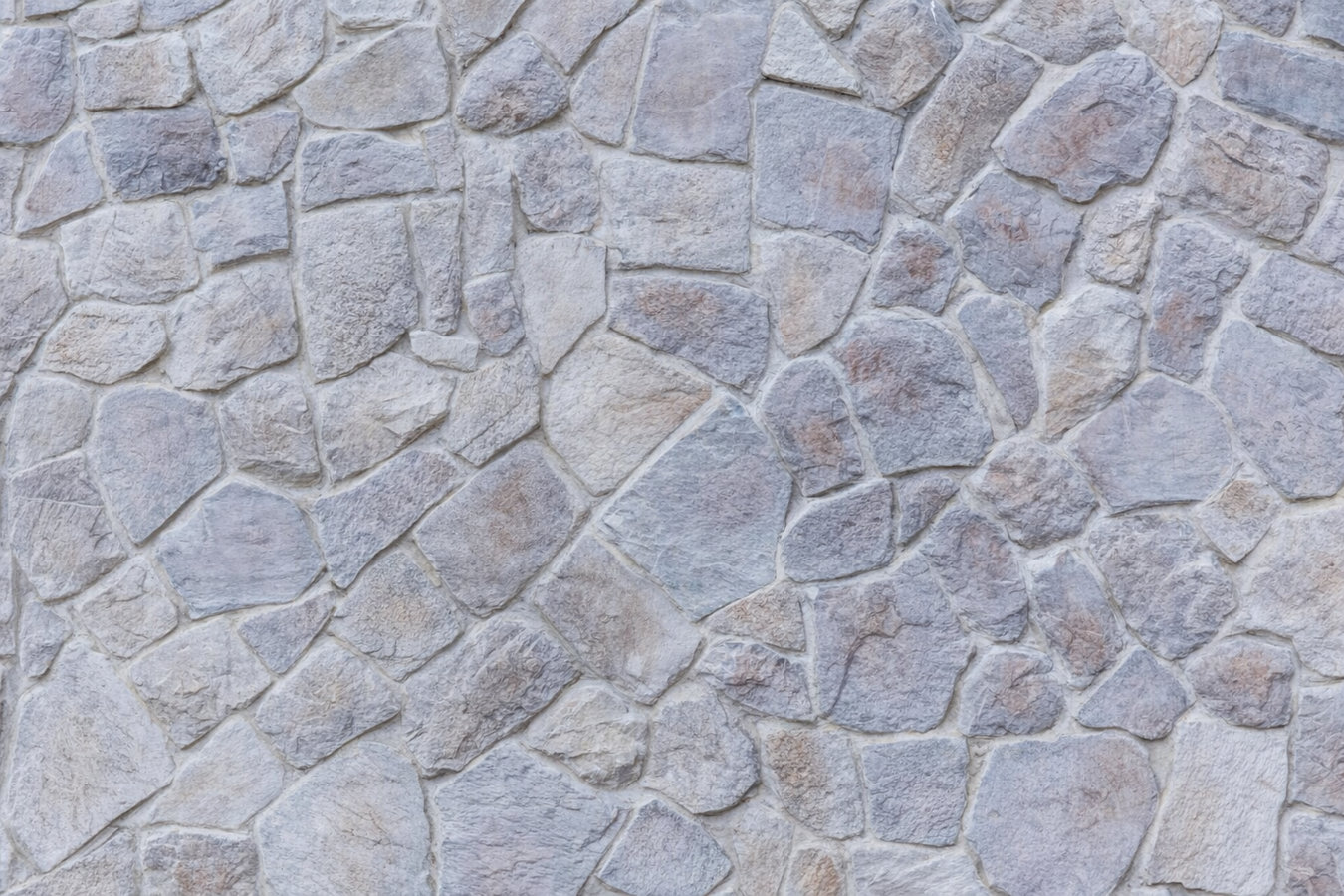
Hemet's clay soil shifts and the summers are brutal. Stone work that is not built for those conditions fails fast. We build walls, patios, and retaining walls that are prepared for what this valley actually throws at them.
Stone masonry in Hemet means building or repairing structures using natural or manufactured stone set in mortar, including garden walls, retaining walls, patios, steps, and decorative entry features - most residential jobs take one to five days depending on size and site conditions.
The work is done by hand, piece by piece, which is why it takes longer than poured concrete but tends to last far longer when done well. In Hemet, the most common reasons stone projects fail are skipped base preparation on the area's expansive clay soils and mortar that dried too fast in the summer heat before it could fully cure. Both problems are preventable when you work with a mason who knows this valley.
Stone masonry projects often overlap with mortar maintenance. If your existing stone has crumbling joints or staining between the stones, brick pointing can address the mortar while we are on-site, keeping the project consolidated and reducing the overall cost.
Run your finger along the joints between stones on a wall or patio edge - if the mortar crumbles away or you can see gaps, the wall needs attention. Missing mortar lets water in, and in Hemet's occasional heavy rain events, that water can work its way deep into the structure and cause damage far more expensive than a simple repointing job.
If a stone retaining wall has started to lean forward or you can see a bulge in the middle, soil pressure behind it has overcome the wall's ability to hold. Hemet's expansive soils swell when wet and shrink when dry, and this movement tends to get worse over time rather than stabilizing on its own.
If a stone step rocks slightly when you step on it, or sections of a stone patio have risen or sunk unevenly, the base beneath has likely shifted. This is both a tripping hazard and a sign that water or soil movement has undermined the foundation - both common across the San Jacinto Valley.
A white chalky residue on stone is called efflorescence - it happens when water moves through the masonry and carries mineral salts to the surface. Dark streaking can indicate water running down the face of a wall where it should not. Both are signs that water is getting into the masonry somewhere it should not be.
We work with both natural stone and manufactured stone veneer, and the right choice depends on your budget, the look you want, and where on your property the stone will be used. Natural stone - granite, limestone, sandstone, and fieldstone - has a one-of-a-kind look and can last a century when built correctly. Manufactured stone veneer is lighter, more consistent in size, and less expensive, making it a practical choice for decorative facades and accent walls where full structural depth is not required. For homeowners who want a decorative facing on an exterior wall or fireplace surround, stone veneer installation uses many of the same materials in a thinner application that covers an existing surface without the full cost of a solid stone build.
Every stone masonry job starts with a properly compacted gravel base, because the base is what determines whether the finished project lasts five years or fifty. In Hemet, skipping or shortening the base preparation is the single most common reason stone work fails prematurely. The Mason Contractors Association of America outlines best practices for base prep and mortar mixing in variable climates - practices our crews follow on every project. For projects requiring permits, we handle the City of Hemet Building and Safety Division process before any stones are laid.
Suits homeowners with sloped yards or raised planting areas where soil needs to be held back and drainage behind the wall must be managed.
Suits homeowners who want a low decorative wall to frame a planting bed, define a yard edge, or add a finished look to the front or backyard.
Suits homeowners who want a durable outdoor surface that handles Hemet's heat, occasional freeze nights, and years of foot traffic.
Suits homeowners with existing stone walls, chimneys, or features where mortar joints are crumbling, gaps have opened, or stones have shifted.
Hemet sits in the San Jacinto Valley and regularly sees summer temperatures above 100 degrees - sometimes pushing to 110. That kind of heat causes mortar to dry out too quickly, which leads to cracking and weak joints before the work has even finished curing. Quality contractors here schedule masonry work for early morning hours in the summer, or push larger projects to fall and spring when temperatures are more forgiving. That is not a convenience preference - it is a quality decision that directly affects how long the finished work lasts. The area also sits on expansive soils that swell when wet and shrink when dry, putting constant pressure on anything built on or in the ground. Homeowners in San Jacinto deal with the same soil conditions and understand why base preparation is not a step that can be shortened.
Hemet is also located near the San Jacinto Fault, one of the more active fault systems in Southern California. Stone masonry structures - especially freestanding walls - need to be designed with seismic activity in mind, using proper footings and, in some cases, reinforcement within the wall. On top of that, many Hemet neighborhoods are governed by HOA rules about exterior changes, including stone walls and hardscaping. Homeowners closer to Diamond Valley Lake and newer developments should check HOA requirements before planning a project. Residents in Menifee face similar HOA considerations across many of their planned communities. We ask about both permit and HOA requirements before drawing up any proposal.
We will ask a few basic questions about what you want to build or repair and schedule an on-site visit. Stone work is difficult to price accurately without seeing the site, so we do not give numbers over the phone. We reply within one business day.
We look at the area, check drainage and soil conditions, and ask about your goals and budget. Within a few days you receive a written estimate that breaks out labor and materials separately - no vague totals.
For retaining walls over three feet or any structural work, we handle the City of Hemet permit process before a single stone is placed. If your neighborhood has HOA rules, we ask about them upfront so there are no delays mid-project.
We prepare the base, set the stone, and clean the site at the end of every workday. After the stone is set, mortar needs 24 to 72 hours before bearing any load, and up to 28 days to reach full strength. We walk you through the finished work before we leave.
Free estimate, no pressure. We reply within one business day.
(951) 439-3325Summer temperatures in this valley regularly push past 100 degrees, and mortar mixed or applied wrong in that heat will crack before it finishes curing. We schedule work for early morning hours in peak summer and adjust our mortar process for the actual conditions on the day of installation - not a generic formula.
The expansive clay soils in the San Jacinto Valley are the primary reason stone projects fail in this area. We dig to the correct depth and lay a properly compacted gravel base on every project - the part of the job you cannot see is the part that determines whether the work lasts five years or fifty.
We research permit requirements and HOA rules before drawing up any proposal. If your project needs a City of Hemet building permit or architectural review board approval, we handle that process as part of the job. You will know before we start exactly what approvals are needed and what the timeline looks like.
We schedule your project with a realistic start date and a committed crew that stays on-site until the work is done. The National Concrete Masonry Association recommends continuous oversight during mortar work to catch problems before they cure in place - something that is only possible when the same crew stays through completion.
Every one of these points comes down to the same thing: stone masonry in Hemet requires local knowledge. A contractor who has not worked in this valley does not know the soil, the heat, or the permit office. We do, and that knowledge shows up in work that stays put.
Mortar joint repair for brick and stone structures - removing crumbling material and packing in fresh mortar to stop water intrusion.
Learn MoreDecorative stone facing applied to an existing wall surface, giving the look of full stone construction at a lower cost and weight.
Learn MoreSummer heat fills our calendar fast - lock in your start date now and we will handle the permits, the base prep, and every stone in between.