
Loading...
Serving Hemet, CA and surrounding areas. (951) 439-3325
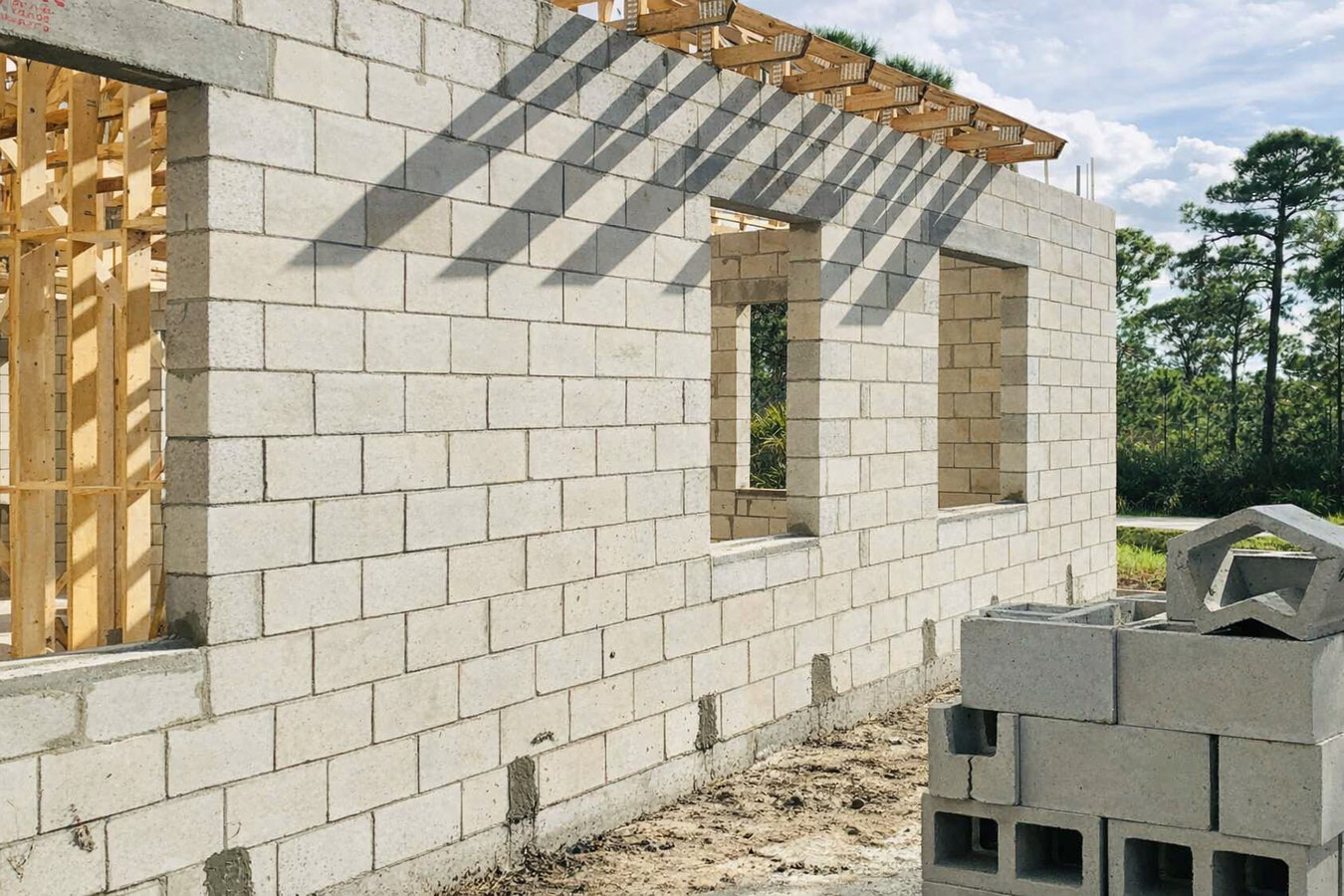
A new addition, ADU, or outbuilding needs a solid foundation first. We build block wall foundations that handle Hemet's clay soils, seismic requirements, and city inspections.
Foundation block wall installation in Hemet means building a load-bearing concrete masonry unit wall on a concrete footing engineered for local soil and seismic conditions. Most residential projects run two to five days of active construction, with one to three additional weeks for City of Hemet permit review before work begins.
Homeowners in Hemet most often need this service when they are adding a detached garage, building an accessory dwelling unit, or putting up a room addition. Without a proper foundation, no framing can legally begin and the structure will not pass inspection. If your project also involves an existing foundation showing stress cracks or uneven settling, foundation repair may be needed alongside the new installation work.
The San Jacinto Valley sits on expansive clay soils that shift with the seasons. That is the defining variable in every foundation project we do in Hemet. A footing that works fine in sandy soil may not be deep or wide enough here. We review soil conditions before writing any estimate, so the number you agree to reflects your actual ground - not a best-case scenario from somewhere else.
Any detached garage, ADU, workshop, or room addition needs a proper foundation before framing begins. In Hemet, where ADU construction has grown significantly in recent years, this is one of the most common reasons homeowners call a masonry contractor. Starting without a permitted foundation is a code violation and a safety issue.
Cracks that angle out from the corners of door frames or window frames - especially ones that have grown over time - often indicate the foundation below is shifting unevenly. In Hemet, the clay-heavy soils in the San Jacinto Valley expand and contract with seasonal moisture changes, causing exactly this kind of movement. A crack wider than a quarter-inch or one that keeps growing deserves a professional look.
When a foundation shifts, the frame of the house moves with it. Doors that drag on the floor or windows that stick are often the first place homeowners notice it. This is especially worth watching for after a wet Hemet winter, when clay soils absorb moisture and swell. Catching it early costs far less than waiting for the shift to compound.
White chalky staining on a block wall - called efflorescence - signals water moving through the wall and carrying minerals to the surface. Crumbling mortar or a section that visibly leans are signs the wall's structural integrity is compromised. In Hemet's climate, where occasional heavy rains follow long dry spells, this kind of water-related damage is not uncommon.
We install foundation block walls for a range of residential projects throughout Hemet - new ADU foundations, room addition perimeters, detached garage bases, and workshop structures. Every project starts with a concrete footing dug past Hemet's clay layer to stable soil. That footing is sized based on the load the structure above will carry and the specific soil conditions on your property. We place vertical steel rebar inside the hollow block cores, then fill those cores with concrete grout - the reinforcement that California seismic standards require in this region and that city inspectors will verify before the cores are closed. When a new structure sits adjacent to an existing outdoor living area or patio enclosure, combining the foundation work with outdoor kitchen masonry or other structural masonry in one project often saves time and keeps the site disruption to a single mobilization.
We handle City of Hemet permit applications for every project that requires one, which is nearly all of them. We schedule the footing inspection and the in-wall inspection before cores are filled, and we give you a paper record showing your foundation was reviewed and approved by a city inspector. That documentation protects you when you sell and protects you now if any question ever arises about the work. After the final block is set and the last inspection passes, we walk the site with you and explain the curing period and any care steps before the crew packs up.
Suits homeowners building an accessory dwelling unit and needing a permitted, load-bearing block wall foundation that meets Hemet's current seismic and soil requirements.
Suits homeowners expanding an existing structure and needing a new block wall foundation tied into or built adjacent to the original slab or footing.
Suits homeowners putting up a separate structure on their lot and needing a complete foundation system before framing can legally begin.
Suits homeowners whose current block wall foundation has shifted, cracked, or needs to be extended to accommodate a planned addition.
Three factors define foundation work in Hemet that do not apply the same way in coastal Southern California: clay soils, seismic exposure, and summer heat during curing. The San Jacinto Valley sits on expansive clay that swells in wet winters and shrinks through dry summers. That seasonal movement is what causes diagonal cracks to appear at door corners and windows to start sticking - the house is following the ground. A footing that is shallow or too narrow cannot resist that movement, and a foundation that fails before the structure above it is even a year old is unfortunately not rare in this valley when contractors cut corners. We build footings for Hemet's soil, not for the national average.
The proximity to the San Jacinto Fault means California's seismic code requires more steel reinforcement in foundation walls here than in lower-risk areas. That reinforcement is not visible once the job is done, but it is the difference between a wall that stays put during a shake and one that does not. We do a lot of this work across the San Jacinto Valley, including projects in San Jacinto and in Beaumont, where the soil and seismic conditions are similar. The permit process and inspection sequence in this area is familiar territory for us, and we factor permit timing into every project schedule from the start.
Contact us by phone or through our form and we respond within one business day. We schedule a free site visit, review ground conditions, take measurements, and ask about your project goals. You get a written estimate that covers labor, materials, footing depth, and permit fees - no vague verbal numbers.
We submit the permit application to the City of Hemet Building Division on your behalf. Plan review typically takes one to three weeks. We keep you updated on status - you do not need to visit the building department or manage any paperwork.
Once the permit is in hand, we clear and excavate the site down to stable soil below the clay layer. We form and pour the concrete footing, then hold for the required city inspection before any blocks go up. That inspection is a built-in quality check, not just a bureaucratic step.
With the approved footing in place, we lay blocks course by course, threading rebar through the cores and filling them with concrete grout. A second city inspection confirms the steel placement before cores are closed. After the final block is set and the last inspection passes, we clean up the site and walk you through the curing period.
Free site visit, written estimate, no obligation. We handle the permit and all city inspections.
(951) 439-3325We review local soil conditions before writing every estimate. Our footings are designed for the clay-heavy ground in this valley, not for some average soil type that does not exist here. That means the depth and width of the footing reflects your actual ground, which is what keeps the wall from shifting in its first few rainy seasons.
Hemet sits near the San Jacinto Fault, and California's building code requires additional steel reinforcement in foundation walls in this region. We place and inspect every rebar installation to meet that standard, and city inspectors verify it before the cores are closed. You get a project record showing the reinforcement was done correctly - not just our word for it.
We pull the permit, schedule every required inspection, and provide you with the final documentation before we leave the site. Homeowners who have had unpermitted foundation work done often discover the problem during a home sale - when it is expensive and stressful to fix. We do foundation work by the book because it protects you long after the project ends. You can verify any California contractor's license status at the California Contractors State License Board.
Hemet homeowners have told us the biggest fear with foundation work is agreeing to a price and then getting change-order calls once digging starts. We visit the site, review soil conditions, and write an estimate that reflects your actual project before you commit. If something unexpected comes up during excavation, we tell you before we do any additional work - not after.
Every credential above points to the same outcome: a foundation that is built correctly for this specific valley, documented for your records, and ready to carry whatever you build on top of it. That is what a foundation is supposed to do, and it is what we deliver on every project.
Once your foundation is in place, we build the structural masonry framework for outdoor kitchens, grill surrounds, and entertainment areas.
Learn MoreIf an existing foundation on your property shows cracking or shifting, we assess and repair it before you build anything above it.
Learn MorePermit slots fill as the season gets busy - reach out now and we will get your project on the schedule before the summer heat makes concrete work more challenging.