
Loading...
Serving Hemet, CA and surrounding areas. (951) 439-3325
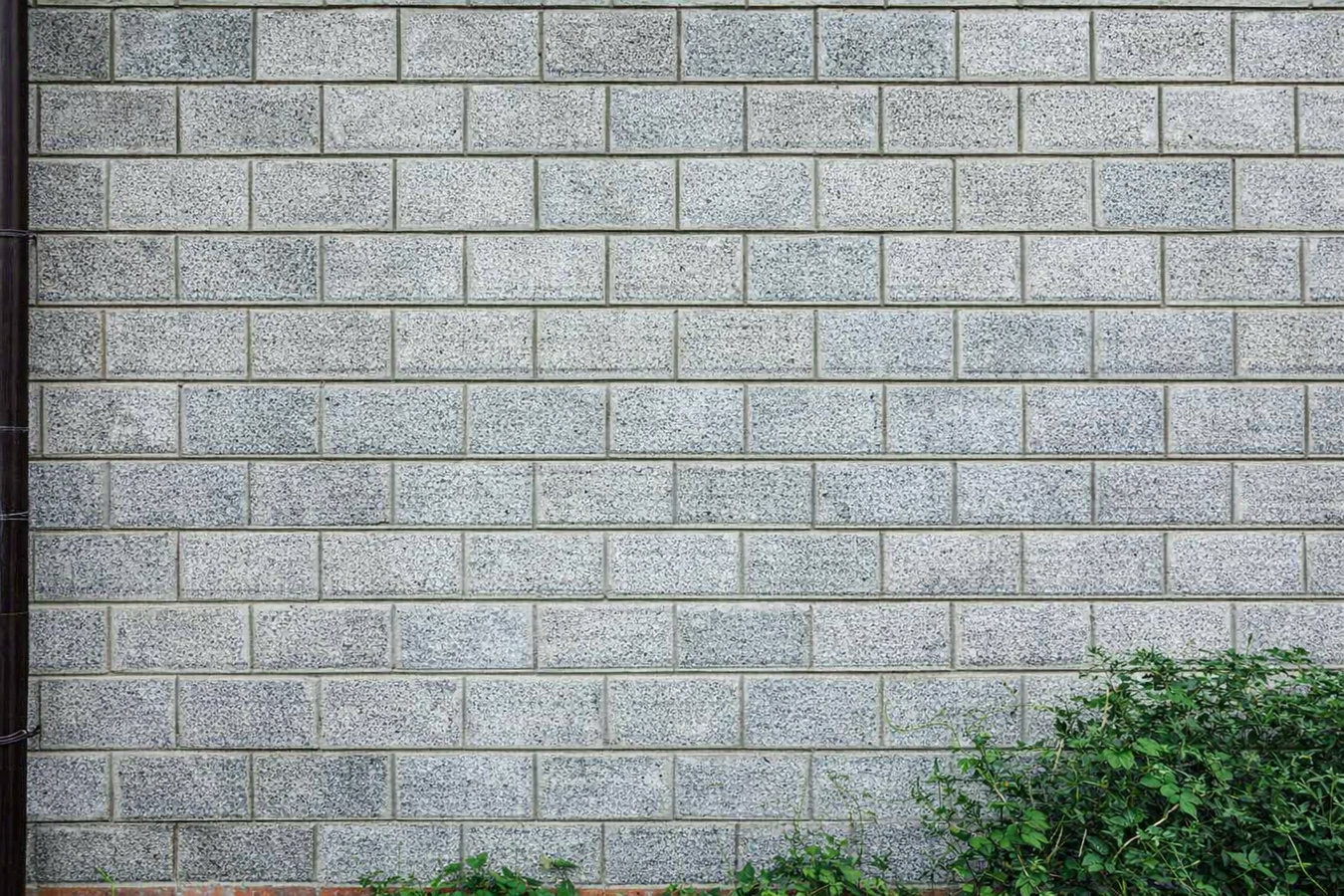
Wood fences rot, blow over in Santa Ana winds, and need constant repairs. A reinforced concrete block wall handles Hemet's soils, heat, and seismic activity without complaint.
Concrete block wall construction in Hemet means building with individual masonry units stacked in overlapping rows and held with mortar, most residential projects take two to five days, and walls over a few feet tall require a City of Hemet building permit with inspection at the footing stage and at completion.
Homeowners in Hemet choose block walls over wood fencing for one simple reason: they last. Wood rots in the valley heat, warps with the seasonal moisture swings, and blows over in Santa Ana wind events. A properly built concrete block wall does none of those things. It also provides real privacy, defines your property permanently, and can be finished with stucco or cap stones to complement your home. When a wall project involves retaining soil on a slope, retaining wall construction principles and drainage requirements apply alongside the standard block wall process.
A wall that leans - even slightly - has lost its structural integrity and will not correct itself. Diagonal cracks running through the blocks rather than just the mortar joints are a sign the footing has shifted, which is common in Hemet's clay-heavy soils. A leaning wall is a safety hazard and a liability, especially if children or pets are nearby.
If you have replaced fence boards or posts more than once in the past decade, Hemet's hot dry summers and occasional Santa Ana wind events are winning. A concrete block wall does not rot, warp, or blow over. It is a one-time investment that outlasts any wood fence by decades without ongoing repair costs.
If soil creeps downhill after rain or irrigation and collects on your driveway, patio, or next door, a retaining or boundary wall stops that movement permanently. Hemet's occasional heavy winter storms can move a surprising amount of loose soil on even a gentle slope - block walls are built to hold that pressure.
A concrete block wall is a permanent, unambiguous marker of where your property ends. If conversations with a neighbor about boundaries are becoming recurring friction, a wall resolves the issue completely. It also adds privacy and reduces noise from adjacent properties at the same time.
We build concrete block walls for residential properties throughout Hemet - boundary and privacy walls, garden and patio enclosures, retaining walls for sloped lots, and structural walls for outdoor living areas. Every wall starts with a concrete footing dug deep enough to reach stable soil below Hemet's clay layer. That footing is where most wall failures begin when contractors skip it or underbuild it. We thread steel reinforcing rods through the block cores and fill them with grout, which is the standard required for California seismic zones and something a city inspector will verify before the wall is closed up. For properties adding an outdoor patio or kitchen structure, foundation block wall installation alongside the boundary wall is often done in the same project.
Finished walls can be left with exposed block, coated with stucco, or capped with decorative cap blocks - whatever suits your home's exterior and your HOA guidelines. We handle City of Hemet permit applications for all walls that require them, coordinate the footing and completion inspections, and give you a paper trail showing the wall was reviewed and approved. That documentation matters when you sell.
Suits homeowners replacing a failing wood fence or establishing a permanent property line with added privacy and wind protection.
Suits homeowners defining an outdoor living area, garden bed border, or pool surround with a clean, finished masonry structure.
Suits sloped lots where soil needs to be held back, terraces created, or drainage directed away from the home.
Suits homeowners adding an outdoor kitchen, covered patio, or entertainment area that requires a structural masonry wall as part of the build.
Hemet's valley floor sits on soils with a high clay content that swells when wet and shrinks when dry - a seasonal cycle that puts stress on wall footings that are not deep enough to reach stable ground. Contractors who build to the minimum and move on often leave homeowners with walls that start leaning within a few rainy seasons. On top of soil movement, Hemet is in an active seismic region of Southern California. State building requirements mandate that masonry walls here be reinforced with steel and grout - and that work is inspected. A wall built without proper reinforcement may look solid on the outside but can fail in a moderate earthquake. Hemet's hot summers add one more variable: mortar cures too fast in extreme heat if the crew is not managing it carefully, which makes the finished mortar brittle. Experienced crews wet the blocks before laying them and work early in the day during heat waves.
We work across the Hemet area and throughout the surrounding communities regularly. Homeowners in Perris often bring us in for boundary walls on larger residential lots, and clients in Menifee frequently need block walls as part of new outdoor living additions in HOA-governed communities. The permit process and soil conditions are something we deal with on nearly every job in this part of Riverside County.
Call or submit our contact form and we respond within one business day. We schedule a free on-site visit to look at ground conditions, measure the wall area, and discuss your goals - privacy, retaining soil, a defined patio boundary, or a combination. You get a written quote that covers labor, materials, and permit fees as separate line items.
For most concrete block walls in Hemet, we submit the City of Hemet permit application before ordering materials. Approval typically takes one to three weeks. If your neighborhood has an HOA, we discuss what their approval process involves so you can get both sign-offs moving at the same time.
The crew digs the trench, forms it, and pours a concrete footing deep enough to reach stable soil below Hemet's clay layer. A city inspector visits before we continue - this footing inspection is required and is your assurance the base was built to code. The footing cures at least 24 hours before block laying starts.
The crew lays block row by row, threading steel rods through the cores and filling with grout as they go. We keep the site tidy daily. Once the wall reaches full height and cap blocks are set, we schedule the final city inspection and do a walkthrough with you. Mortar and grout continue to gain full strength over the following 28 days.
Written quote, no obligation. We handle permits and inspections from start to finish.
(951) 439-3325We dig to stable soil below the clay layer on every project - not just to the minimum depth. That extra effort is the difference between a wall that stays plumb for decades and one that starts leaning after the first few wet-dry cycles. We adjust our approach based on actual site conditions, not a generic formula.
Every concrete block wall we build includes rebar through the cores and grout fill - the seismic reinforcement required by California building standards. This is checked by a city inspector, not taken on our word. You get a permitted, inspected wall that a future buyer or appraiser can verify independently.
We submit the permit application, coordinate both required inspections, and give you the documentation showing your wall is on record as legal and code-compliant. Unpermitted masonry walls are one of the more common issues that surface during home sales in the Inland Empire - we make sure yours is not one of them.
Hemet's summers regularly exceed 100 degrees F, and mortar that cures too fast in extreme heat becomes brittle. Our crews wet blocks before laying them, adjust mortar mix for high temperatures, and schedule early-morning starts during heat waves. Proper hot-weather practices are detailed by the Concrete Masonry Association of California and Nevada (cmacn.org).
Soil conditions, seismic reinforcement, permit compliance, and hot-weather construction are not abstract concerns in Hemet - they are what every block wall project here has to account for, and they are what separates a wall that lasts from one that does not.
To verify a contractor license before hiring, visit the California Contractors State License Board. For California seismic hazard information relevant to Hemet, see the USGS Earthquake Hazards Program.
Structural block walls for building foundations, raised slabs, and below-grade perimeter structures that require engineered footings and full permit compliance.
Learn MorePurpose-built walls to hold back soil on sloped lots, with drainage systems designed for Hemet's clay soils and seismic zone requirements.
Learn MoreSpring fills up fast - contact us now to get your project on the calendar before the summer heat makes outdoor work harder.