
Loading...
Serving Hemet, CA and surrounding areas. (951) 439-3325
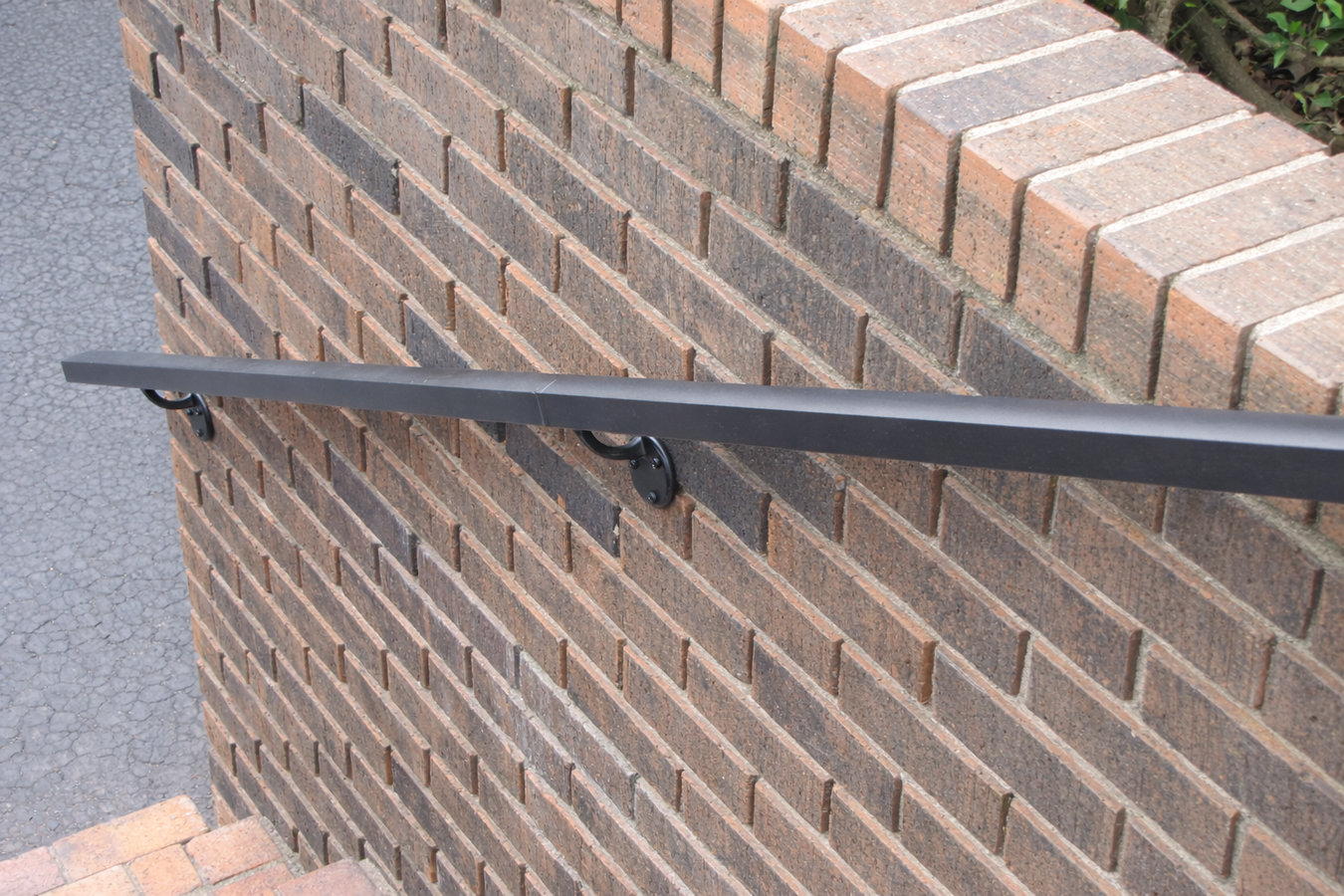
A brick wall in Hemet needs deep footings for clay soil and rebar reinforcement near the San Jacinto Fault. We build garden walls, privacy walls, and retaining walls that stay straight through years of heat, cold nights, and ground movement.
Brick wall installation in Hemet means digging and pouring a concrete footing below the active soil layer, then laying individual bricks course by course in mortar until the wall reaches your planned height. A straightforward garden or short retaining wall typically takes two to four days for an experienced crew. Larger projects - like a full perimeter privacy wall - can run one to two weeks. Most projects in Hemet require a city permit, which the contractor handles before a single brick is laid.
The foundation is what separates a wall that lasts from one that cracks and leans within a few years. In the San Jacinto Valley, the clay soil moves significantly with seasonal wet and dry cycles, and a footing that does not go deep enough pays the price quickly. Every wall we build starts with a correctly sized concrete footing, poured and cured before any masonry work begins - this step is not optional and should not be rushed.
If your project involves repointing or repairing existing brickwork alongside new construction, brick repair can be handled as part of the same visit. Combining the work reduces the number of site mobilizations and often lowers the overall cost.
If a wall is no longer straight - leaning toward the yard or pulling away from a post - that is a structural warning, not just a cosmetic issue. In Hemet's clay soil, leaning walls often mean the footing has shifted or heaved. A wall that has moved this far usually cannot be straightened. It needs to come down and be rebuilt with a proper foundation.
Hairline cracks in mortar are normal aging. But diagonal cracks that run corner to corner across a brick, or stair-step cracks that follow mortar joints up the wall, signal that the wall is moving unevenly. This pattern is especially common in Hemet after a wet winter followed by a dry summer. Left alone, these cracks let water in and the damage accelerates.
If part of your yard sits higher than another part and there is nothing holding the soil in place, you are losing ground every time it rains or you water. A retaining wall stops that erosion and gives you a clean, usable yard. Many Hemet homeowners with hillside lots or raised landscaping find a brick retaining wall pays for itself quickly by protecting the rest of the yard.
Hemet's growth has brought more traffic and denser neighborhoods to areas that used to feel more rural. If your yard faces a busy road or sits next to a commercial property, a solid brick wall provides noise reduction and privacy that a wood fence simply cannot match over the long term. Brick does not rot, warp, or blow over in the Santa Ana winds the way wood panels do.
We build decorative garden walls, privacy walls, and retaining walls using a range of brick types and bond patterns. For homeowners who want a classic running bond pattern with consistent mortar joints, we work in standard modular brick in a range of colors and textures. For projects where the wall needs to double as a design feature - a front yard planter wall, a low border along a driveway, or a framed entryway - we can incorporate corbeled details, capping stones, or contrasting mortar colors. Taller privacy walls - the kind that replace aging wood fences along a property line or back boundary - are built with reinforcing rebar threaded through the brick cores and filled with grout, which is required near the San Jacinto Fault and adds meaningful structural strength. If you are adding a new wall alongside an existing stone feature or a natural stone retaining element, stone masonry can be incorporated to give the whole project a cohesive look using materials that complement each other.
Every wall starts with a written estimate that separates labor and materials, and every project over the permit threshold is submitted to the City of Hemet Building Division before work begins. The Brick Industry Association provides technical guidelines on mortar ratios, joint depth, and hot-weather masonry practices that our crews follow on every project. Mortar that is mixed or applied incorrectly in Hemet's heat is one of the most common causes of premature wall failure - getting the mix right at the time of installation matters.
Suits homeowners who want a low decorative wall to border a planting bed, define a yard edge, or add a finished look to a front or backyard.
Suits homeowners who need a solid barrier along a property line or street-facing boundary - more durable and permanent than a wood fence.
Suits homeowners with sloped yards or raised planting areas where soil needs to be held back and the wall will be under constant lateral pressure.
Suits any wall project above the height threshold near the San Jacinto Fault, requiring rebar and grout fill to meet local seismic safety requirements.
Three factors in Hemet affect how a brick wall needs to be built. First, the San Jacinto Valley sits on expansive clay soil that swells in wet winters and shrinks across the long dry summers. This constant movement is the primary reason brick walls crack and lean in this area - not age, not weather. A mason working here needs to dig footings deep enough to get below the most active soil layer. Skimping on footing depth in Hemet is a much more serious mistake than it would be in a city with stable sandy soil. Second, Hemet regularly sees summer temperatures above 100 degrees, and that heat pulls moisture out of fresh mortar faster than it should cure. Brittle mortar bonds are the result - and early wall failure follows. Experienced local masons start early in the morning, shade fresh work, and may mist the wall during curing to compensate. Homeowners in Perris work with the same clay soil and heat conditions and face the same set of considerations for any masonry wall project.
Third, Hemet sits close to the San Jacinto Fault - one of the most active fault systems in Southern California. Walls above a certain height may need rebar reinforcement and grouted cores to meet local seismic requirements. This comes up during the permit inspection, which is one more reason to pull the permit rather than skip it. Homeowners in Beaumont are in the same general seismic zone and face similar reinforcement considerations for taller masonry walls. A contractor who is not familiar with Inland Empire seismic requirements can easily miss this during design, and the correction becomes expensive after the footing is poured.
We want to see the site before giving you a number. We will look at the ground, the slope, what is nearby, and what you are trying to accomplish. Expect the visit to take 20 to 45 minutes. You will hear back within one business day of your first call, and there is no obligation to move forward after the estimate.
After the visit you receive a written estimate that separates labor and materials. We tell you upfront whether your project requires a City of Hemet permit and handle the application for you if it does. We do not start work until permits are confirmed - either in hand or confirmed unnecessary.
The first day or two is all underground work. The crew digs the trench, pours the concrete footing, and waits for it to set before a single brick goes down. In Hemet's clay soil, this step deserves time and attention. A wall is only as solid as what is underneath it.
Once the footing cures, the masons lay brick course by course. When the last brick is laid, the crew cleans up and removes leftover materials. If a permit was pulled, we schedule the city inspection. The mortar reaches full strength over about 28 days, so avoid heavy loading during that window.
Written quote before any work starts. We handle permits and know what Hemet soil and seismic requirements demand.
(951) 439-3325We dig every footing to the depth the local soil actually demands - not a number pulled from a generic residential spec. Hemet's clay moves more than most soil in Southern California, and a wall footing that does not account for that will show it within a few years. We have been working in this valley since 2017 and have seen what shallow footings cost homeowners.
Hemet is close to the San Jacinto Fault, and taller walls here need rebar threaded through the cores and grouted in place. We know the local requirements, and we build reinforced walls as standard practice for any project that meets the height threshold. The city inspector confirms this at the final inspection.
We submit the permit application to the City of Hemet Building Division and schedule the inspection as part of the job. An unpermitted wall that later gets flagged during a home sale is a much bigger headache than pulling the permit correctly the first time. This is part of how we do every project, not an add-on.
You receive an itemized written quote before a shovel goes in the ground, and we honor it. One of the most common fears homeowners have with contractors is a price that grows once work is underway. We give you a clear number up front - including footing work - so there are no surprises on the final invoice.
A brick wall is a long-term investment in your property. Built correctly with the right footing, the right mortar, and the right reinforcement for this area, it should still be standing in 50 years. The International Masonry Institute trains and certifies masonry workers on the craft standards that make that kind of longevity possible - including hot-weather installation practices specific to climates like Hemet's.
Natural stone walls, columns, and features built alongside or instead of brick for a more textured, organic look.
Learn MoreTargeted repairs for existing brick walls - spalling, cracked units, failed mortar joints, and leaning sections - before a full rebuild is needed.
Learn MoreHemet's summer heat fills contractor schedules fast - contact us now to lock in your start date and get a written quote before work begins.